

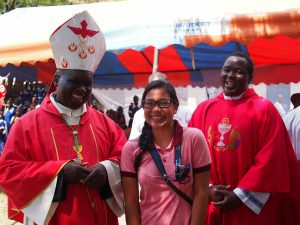
GOI AND CHARM VILLEGAS
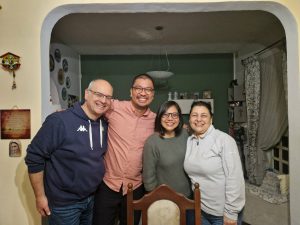
For fifteen years, my wife Charm and I have lived our vocation as missionaries across Asia, Africa, and Europe. We have served in places where we were new, where we did not speak the language, and where the culture was very different from our own. Yet in every assignment we discovered the same truth: the Church becomes most alive when it walks with families, listens to them, and shares life with them.
This is synodality in mission. It is not a slogan. It is simply the way we try to live every day.
Over time, four realities kept showing up in our missionary experience: inculturation, formation, accompaniment, and missionary training. We did not plan these. They came from real encounters, real families, and real situations. They came from learning to walk with people, not ahead of them.
Inculturation: Beginning with Listening and Presence
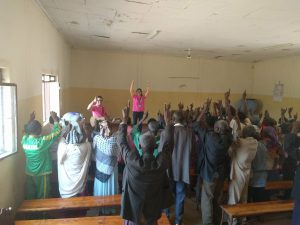
One of the first lessons we learned was this: we were not sent to bring our own way of doing things. We were sent to discover how God was already working in the people we met.
This meant slowing down. It meant listening more than talking. It meant observing how families lived, how they prayed, how they celebrated, and how they faced challenges. It meant asking questions instead of giving answers right away.
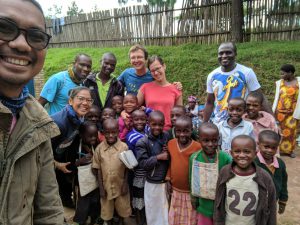
Some of our most meaningful experiences came from simply being present. We joined families in their daily routines, shared meals, and spent time with them in moments of joy and in moments of grief. Through these simple encounters, we realized that the Gospel becomes real when it connects with the life of the people, their culture, and their story.
For us, inculturation was not a strategy. It was a way of showing respect. It was the first step in walking together.
Family Formation: Seeing the Family as a Gift
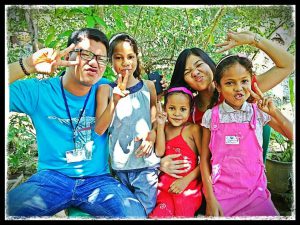
In every country we served, we met families carrying heavy burdens. Some struggled financially. Some were separated because of migration. Some were dealing with conflict or wounds from the past. But we also saw strong faith, deep love, and a desire to grow.
We learned three things about family formation:
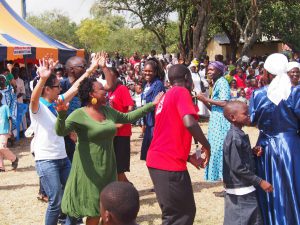 Families learn best from other families.
When couples share honestly about their struggles and victories, others feel understood. It creates trust.
Formation must be practical.
Families need simple tools they can use right away: how to communicate better, how to forgive, how to pray together, how to raise children with faith.
Formation is lifelong.
Marriage preparation is only the start. Families need support throughout their journey, especially today when life is fast and pressures are high.
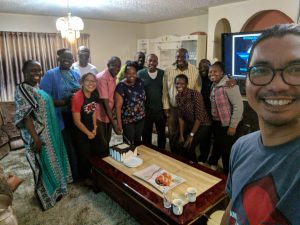
In Kenya, where we lived for more than five years, we saw this clearly. The biggest changes did not happen in big events. They happened in small groups, in living rooms, in honest conversations. We saw marriages healed, parents encouraged, and young people discovering their purpose.
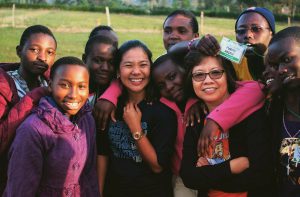
Family formation is synodality at home. It is families helping families.
Accompaniment: Walking with Families in Their Realities
If there is one word that describes our mission, it is accompaniment.
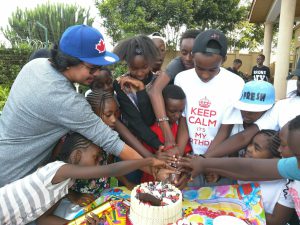
We have sat with couples who were close to giving up. We have listened to parents who felt lost because of migration or work pressures. We have prayed with families who lost loved ones. We have walked with young people who were searching for direction.
Accompaniment taught us that:
• People do not need quick answers. They need someone who will stay with them.
• Healing begins when someone listens without judgment.
• God works slowly, quietly, and personally in each family.
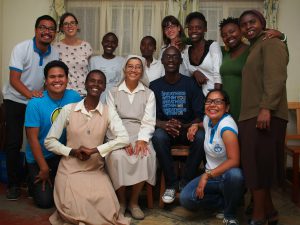
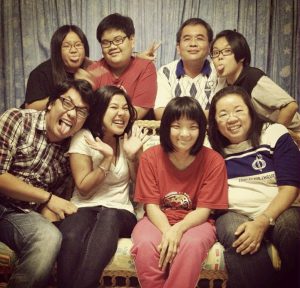
In Estonia, after one retreat, a participant told us that nothing we shared was new. They were basic truths of the faith. But what touched them was our story. It helped them see that faith is lived, not just taught.
Accompaniment is not about being an expert. It is about being present. It is about walking with people the way Jesus walked with the disciples on the road to Emmaus.
This is synodality in everyday life.
Missionary Training: Preparing Others to Walk the Journey
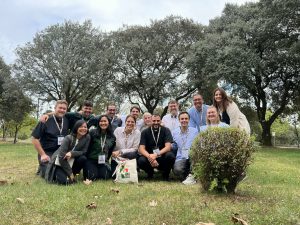
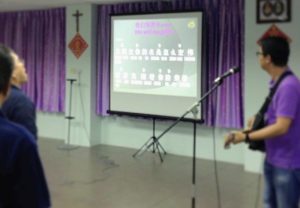
In every mission area, we saw the same need. The Church needs people who are ready and trained to help families, young people, and parish communities, especially in places with many cultures and migrants.
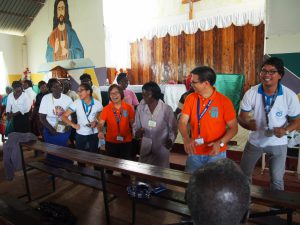
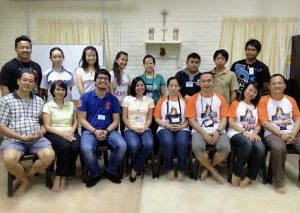
Missionary training, as we experienced it, includes:
• understanding mission (missiology)
• learning how to communicate across cultures
• knowing how to accompany people
• safeguarding and ethical responsibility
• working well with priests and parish leaders
• leading small groups and handling conflicts
But more than skills, missionaries need a heart that is open. They need to be willing to learn from the people they serve. They need to be patient, humble, and ready to build relationships. In Africa, the missionaries who made the biggest impact were not the ones who knew the most. They were the ones who connected with people. They learned the local language. They ate local food. They built friendships that lasted.
Missionary training is synodality that moves outward. It prepares people to walk with others.
Synodality Is a Journey We Live
Our years in mission taught us that synodality is not a program. It is a way of living. It is the way Jesus lived: with presence, listening, accompaniment, and mission.
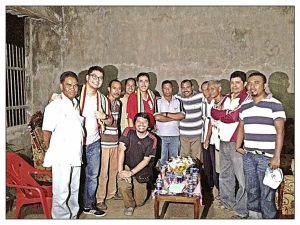
Across different cultures and countries, we saw the same truth. When families are supported, listened to, and encouraged within their own culture, the Gospel grows in a deep and lasting way.
This is synodality in mission.
It is the Church walking with families.
It is families walking with one another.
It is missionaries walking with cultures.
It is all of us walking together toward Christ.
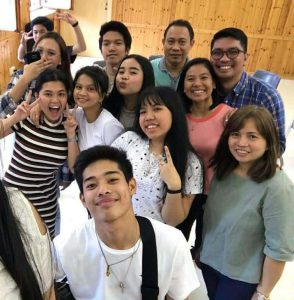
Reminds me of our missionary days in Ghana…mission is indeed a synodality. Walking together, listening, working and praying together. It’s a family…God bless !
Reminds me of our missionary days in Ghana…mission is indeed a synodality. Walking together, listening, working and praying together. It’s a family…God bless !
Looking back, our missions were not only opportunities to serve—they were invitations to be transformed. They taught us that trusting God grows through sacrifice, and that loving others selflessly is one of the clearest reflections of His heart.
Looking back, our missions were not only opportunities to serve—they were invitations to be transformed. They taught us that trusting God grows through sacrifice, and that loving others selflessly is one of the clearest reflections of His heart.
What a journey it has been, Goi and Charm! God is at work. God is in and with you. Praise be to God!
It was a true joy and blessing to have served with you Goi and Charm. Your impact on the Kenyan community still leaves on. We are a strong community because of your contributions. God bless you abundantly. From myself, my wife Nancy, son Jerome, daughters Leila and Claire we miss you big. Karibu nyumbani anytime. Kuja soon nyumbani.